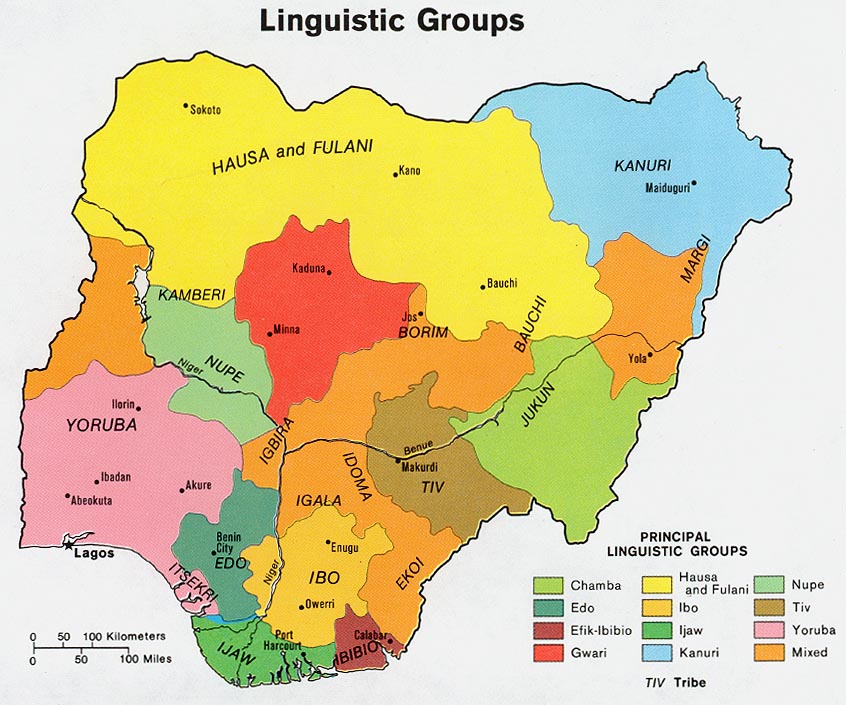
The Abua people, also known as the Abuan, are an indigenous ethnic group residing primarily in the Niger Delta region of southern Nigeria, specifically within Rivers State. Their homeland is characterized by a network of rivers, creeks, and tropical wetlands. Historically, the Abua have maintained a distinct linguistic and cultural identity within the Central Delta language group. They are known for a strong sense of independence and a history of organized community governance. Over the generations, they have navigated the complexities of the Delta's shifting political landscapes while remaining deeply tied to their ancestral territory.
Life for the Abua is intricately linked to the water and the fertile land of the Delta. They are traditionally a dual-occupation society, excelling in both fishing and agriculture. Families cultivate staple crops such as yams, cassava, and plantains, while the surrounding waterways provide a vital source of protein and trade. The Abua are known for their vibrant social structures, where communal labor and mutual support are highly valued. Their culture is expressed through elaborate masquerades, rhythmic drumming, and traditional dances that often commemorate seasonal harvests or significant community transitions. Family units are typically extended, and respect for elderly wisdom remains a cornerstone of their social fabric.
The Abua people possess a strong Christian identity that has become a central pillar of their community life over the last century. Religious activities often dictate the social calendar, with local churches serving as hubs for education, gathering, and spiritual guidance. While Christianity is the dominant faith, some elements of traditional worldview—such as deep reverence for the land and ancestral history—continue to inform their cultural perspective. Scripture is available in the Abua language; after years of dedicated work, the community celebrated the arrival of the complete Bible in their heart language in 2018, significantly strengthening their spiritual foundation.
Spiritually, the primary need for the Abua is for deeper biblical discipleship to help the community apply the newly available complete Scripture to every aspect of their lives. In a region often marked by social and environmental challenges, there is a need for the church to lead in areas of reconciliation and moral guidance. General social needs include improved infrastructure, particularly in the more remote areas of the Delta where access to consistent healthcare and modern educational facilities can be difficult. Additionally, the Abua face environmental pressures common to the Niger Delta, requiring sustainable practices to preserve their traditional fishing and farming livelihoods for future generations.
Pray for a renewed hunger for the word of God among the Abua, especially now that the complete Bible is available in their own language.
Pray for local pastors and church leaders to be filled with wisdom as they shepherd their congregations through the challenges of modern life in the Delta.
Pray for the youth of the Abua community, that they would find their identity in Christ and be motivated to serve their people with integrity.
Pray for the protection and prosperity of Abua farmers and fishermen, and for the restoration of the natural environment they depend upon.
Pray for a spirit of unity and peace to prevail within the Abua community and among their neighbors in Rivers State.
Scripture Prayers for the Abua in Nigeria.
Gardner, I. The Central Delta Languages: An Ethnolinguistic Survey.
Rivers State Ministry of Culture. Historical Perspectives on the Abua-Odual Communities.
Wycliffe Bible Translators. Abua Bible Dedication and Translation Reports.
The Nigeria Bible Society. Scripture Availability and Language Projects in the Niger Delta.
Ethnologue: Languages of the World. Abua Language Profile.
| Profile Source: Joshua Project |